

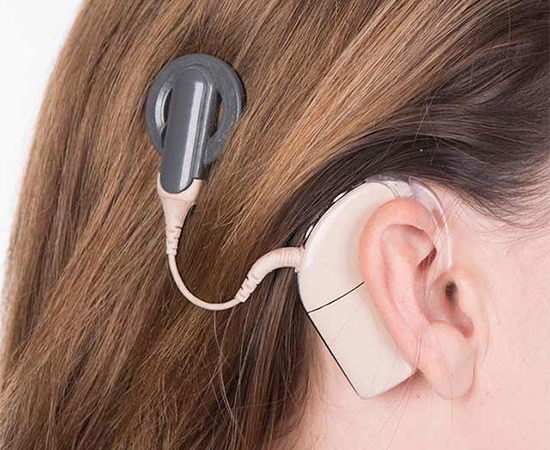
The bionic ear, also known as the cochlear implant, is a device invented to eliminate severe and profound hearing loss. The bionic ear is also known as an inner ear prosthesis or cochlear implant. It consists of two different parts. The first is the part that stimulates the auditory nerve with a rod extending into the cochlea organ in the inner ear via surgery. The other part is worn behind the ear. On the part worn behind the ear, you can make sound adjustments.
How the Bionic Ear Works
With the bionic ear, a two-part device, incoming sounds from outside are digitally encoded and sent to the auditory nerves in the inner ear. This has become a beacon of hope for people with no hearing at all. Bionic ear surgery is used for people with hearing loss caused by functional disorders in the inner ear.
Bionic ear surgery devices are used in situations where traditional hearing aids, which only amplify sound, are no longer helpful. The sensory receptors called hair cells in the inner ear are often damaged in affected patients. These hair cells normally send electrical signals to the auditory nerve when you hear. The nerve then transmits them to the brain, which is how the process works.
Is the Working Principle of the Bionic Ear and Hearing Aid the Same?
Hearing aids work by amplifying sound to create hearing sensation. It captures sound with its microphone and transmits it through the ear canal to aid hearing. It is typically seen after a certain age. It is observed that hearing loss in old age is eliminated with these devices.
In individuals using bionic ear surgery, hearing is achieved via the part implanted through surgery. It is used for people with profound hearing loss. The bionic ear transmits the sounds captured by the microphone to the inner ear via electrical encoding, without processes like sound amplification.
Bionic Ear Technical Information
A cochlear implant consists of external components to be implanted. External components such as the microphone, sound processor, battery, and transmitter coil are usually worn behind the ear. During a surgery, a receiver coil and electrodes are implanted. All these serve to technically simulate the natural hearing process. You can learn all you are curious about regarding bionic ear surgery through the services you will receive from our institution.